Why Investing in Property Near Parks Is a Strong Strategy
Some properties feel “easy” to imagine living in. You step outside, see trees instead of traffic, hear kids on a playground instead of constant engines, and get a sense that weekends would be simple to plan. Homes near well-kept parks often create that feeling, which is one reason they tend to stand out in any…
Some properties feel “easy” to imagine living in. You step outside, see trees instead of traffic, hear kids on a playground instead of constant engines, and get a sense that weekends would be simple to plan. Homes near well-kept parks often create that feeling, which is one reason they tend to stand out in any suburb.
Many Australian property experts know that if a street sits close to local green space, they get excited about a listing. Park access is not the only factor that matters, but it shapes day-to-day life, buyer demand, and perceived value in ways that numbers on a spreadsheet do not fully capture.
Proximity to Parks Influences Buyer Demand

Most families, downsizers, and even young couples place daily convenience high on their list. A park within a short walk means kids have a safe place to run around, dog owners have a natural routine, and adults have a free exercise option that does not require a gym membership. When buyers compare similar homes, that easy access to green space often becomes a tie-breaker.
This demand shows up in subtle ways. Park-adjacent homes may attract more enquiries for open homes, receive more second inspections, and spend less time on the market. Buyers can picture birthdays under a shelter, after-school visits to the playground, or early-morning walks before work. That picture feels real, so they are more willing to commit.
Renters think in similar terms. Tenants who enjoy an outdoor lifestyle or have children often stay longer when a nearby park fits their routines. Longer tenancies mean fewer vacancy periods and a smoother income line for the owner.
How Green Space Supports Long-Term Value
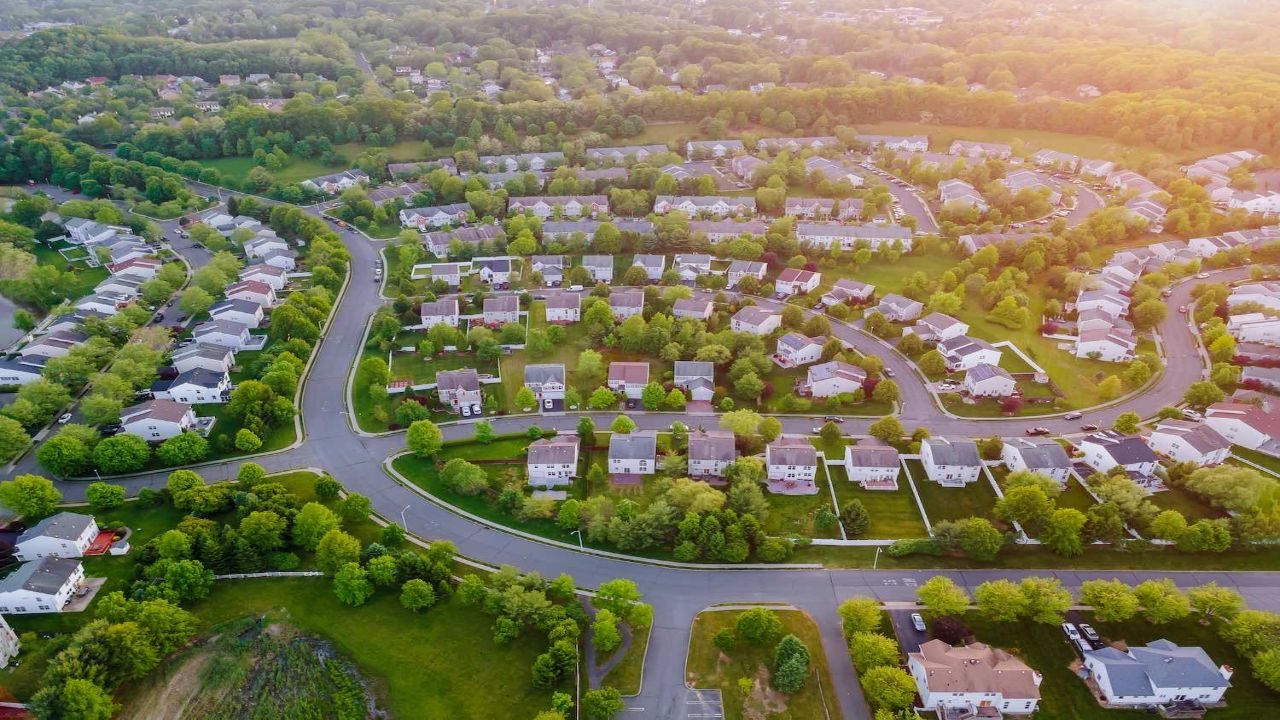
Trendy features inside a home change every few years. Park access tends to hold value over decades. As suburbs become denser and blocks get smaller, public green space takes on more importance. People accept a compact yard more easily when a larger open area sits a short walk away.
Parks also anchor neighbourhood identity. Once a community has a respected park with regular users, local groups and councils are usually motivated to maintain or improve it. This can include new play equipment, better lighting, walking tracks, or community events. Even modest upgrades keep the space active and attractive.
From an investment view, this creates a kind of “location resilience.” Markets rise and fall, but a home beside a clean, well-managed park is less likely to feel dated than a property whose appeal rests mostly on passing interior trends.
Parks and Quality of Life for Residents
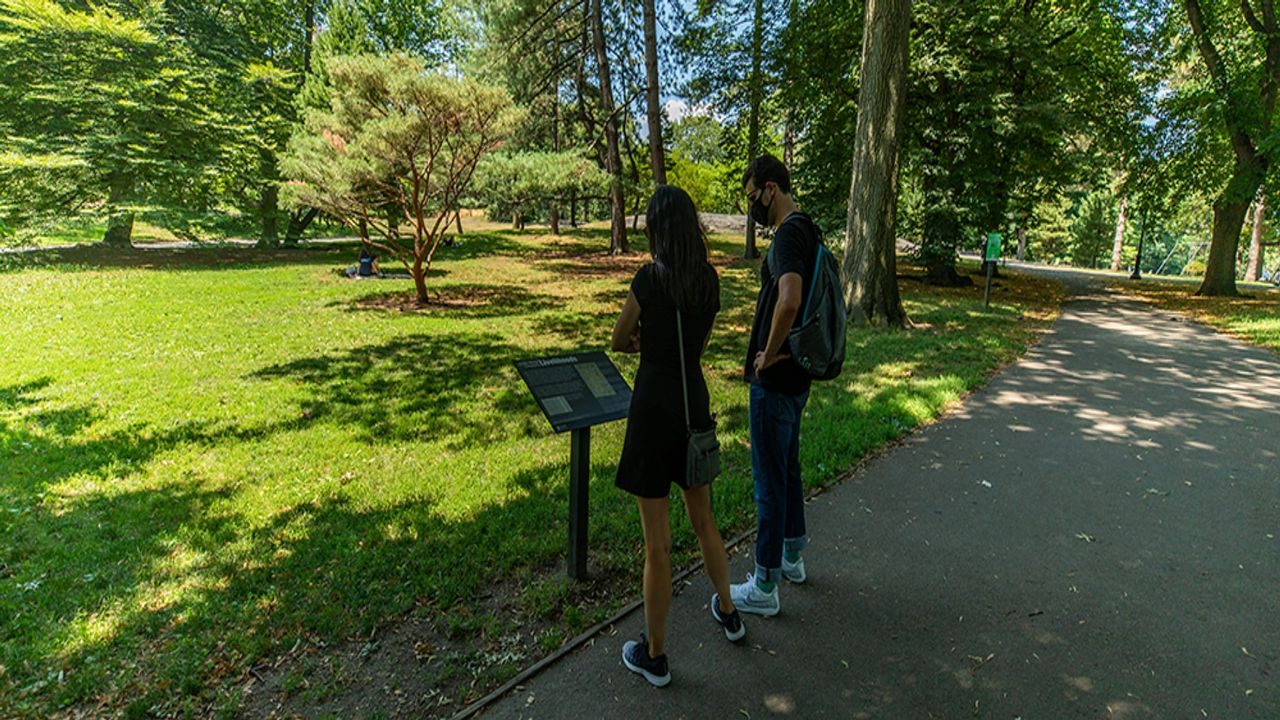
Living near a park influences daily habits. People who have a path or oval nearby are more likely to take short walks after dinner, ride bikes with kids on weekends, or meet friends outdoors instead of only in shopping centres. These small choices support physical and mental well-being over time.
For families, parks also help children grow more independent in a controlled way. A visible playground within sight of home or a short supervised walk allows kids to explore, meet neighbours, and burn energy without long car trips. Parents often value this more than extra floor space indoors.
Older residents benefit as well. A flat walking circuit, benches in the shade, and social activity around dog areas give retirees reasons to leave the house and stay connected. Homes that make this easy feel supportive, which can matter as people think about ageing in place.
What to Look for in Park-Adjacent Neighborhoods
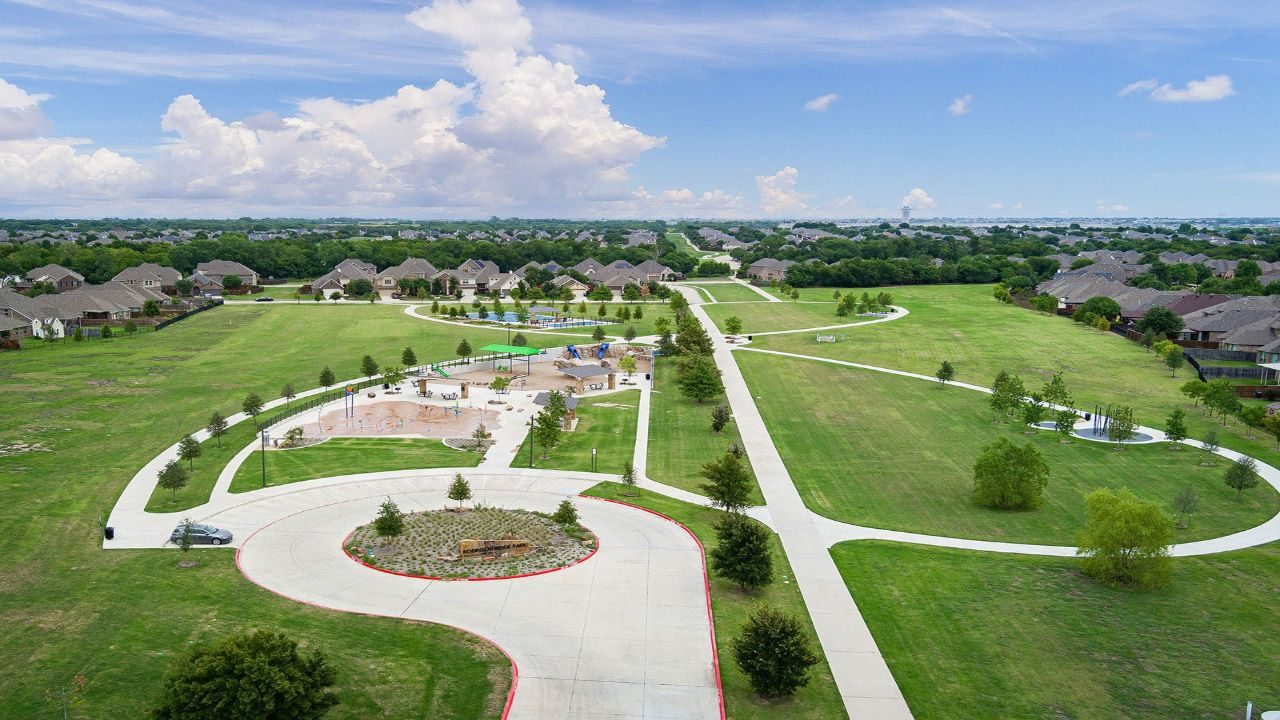
Not all parks are equal from an investment perspective. Start by looking at maintenance. Fresh mowing, clean bins, well-maintained equipment, and working lights tell you the park receives regular attention. A park that looks neglected can have the opposite effect and pull an area down.
Pay attention to how the park is used during the week and on weekends. A steady stream of walkers, families, and dog owners suggests a healthy space. Late-night noise, frequent parties, or visible litter suggest potential issues. Visit at different times of day if you can. The quiet mid-afternoon park can feel very different on a warm Saturday night.
Think about access routes as well. A park that requires crossing a busy road with no safe crossing point is less useful for small children or older adults. Footpaths, pedestrian crossings, and clear sightlines across the park all contribute to how safe and practical it feels.
Risks and Limitations of Parkside Investing
Property near parks is not automatically low-risk. Noise from weekend sport, events, or popular dog areas can bother some residents. Flood-prone parklands or low-lying ovals may create concerns about drainage and insurance, depending on the site. Before you buy, check flood maps, local planning rules, and any history of water issues.
Privacy is another factor. Homes that face directly onto a busy playground can feel exposed. Some buyers love having open space instead of neighbours across the street, while others feel watched. Fencing, planting, and window placement all influence how comfortable the home feels day to day.
You also need to look at future plans. Councils sometimes upgrade parks in ways that change their character, for better or worse. A quiet green strip may become a busy sports hub with bright lights. On the other hand, a planned path network or tree-planting program can enhance appeal. Planning documents and local consultation notices provide clues about where things are heading.