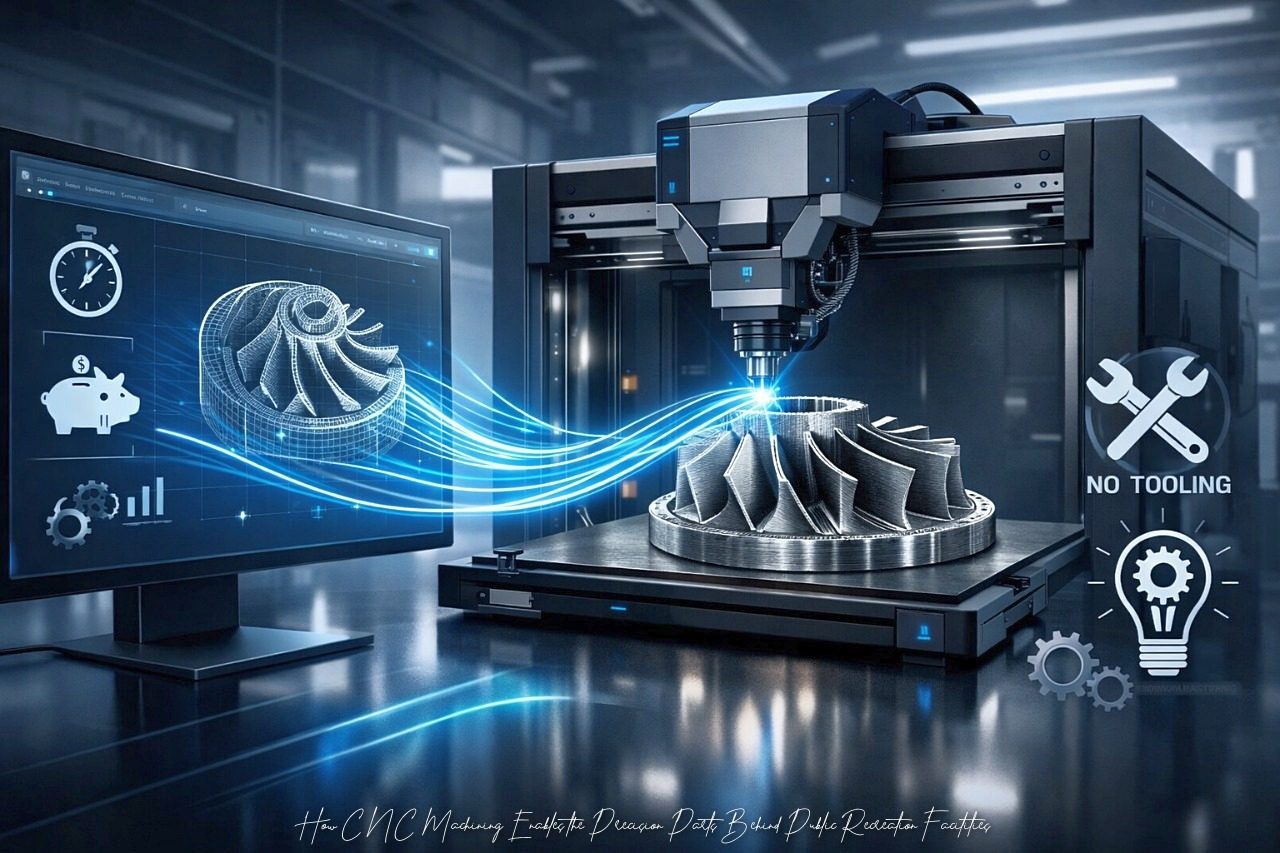
How CNC Machining Enables the Precision Parts Behind Public Recreation Facilities
Public parks and recreation facilities are full of metal. Bleachers and press box frames, fitness equipment bolted to concrete pads, playground climbing structures, lighting poles, benches with welded frames and pre-drilled bolt patterns: nearly all of it was fabricated to spec, and much of the precision work that makes those components fit together and stay…
Public parks and recreation facilities are full of metal. Bleachers and press box frames, fitness equipment bolted to concrete pads, playground climbing structures, lighting poles, benches with welded frames and pre-drilled bolt patterns: nearly all of it was fabricated to spec, and much of the precision work that makes those components fit together and stay there came from CNC machining.
For most park users and even most facility managers, the manufacturing origin of these components is invisible. A swing set pole looks like a swing set pole. What isn’t visible is whether the mounting flange was drilled to tolerances that prevent stress fractures after two winters, or whether the attachment points were dimensioned so that hardware from different manufacturers is actually interchangeable in the field. Those questions are answered in the fabrication shop, not during installation.
What CNC Machining Is and Why It Matters for Equipment Manufacturing
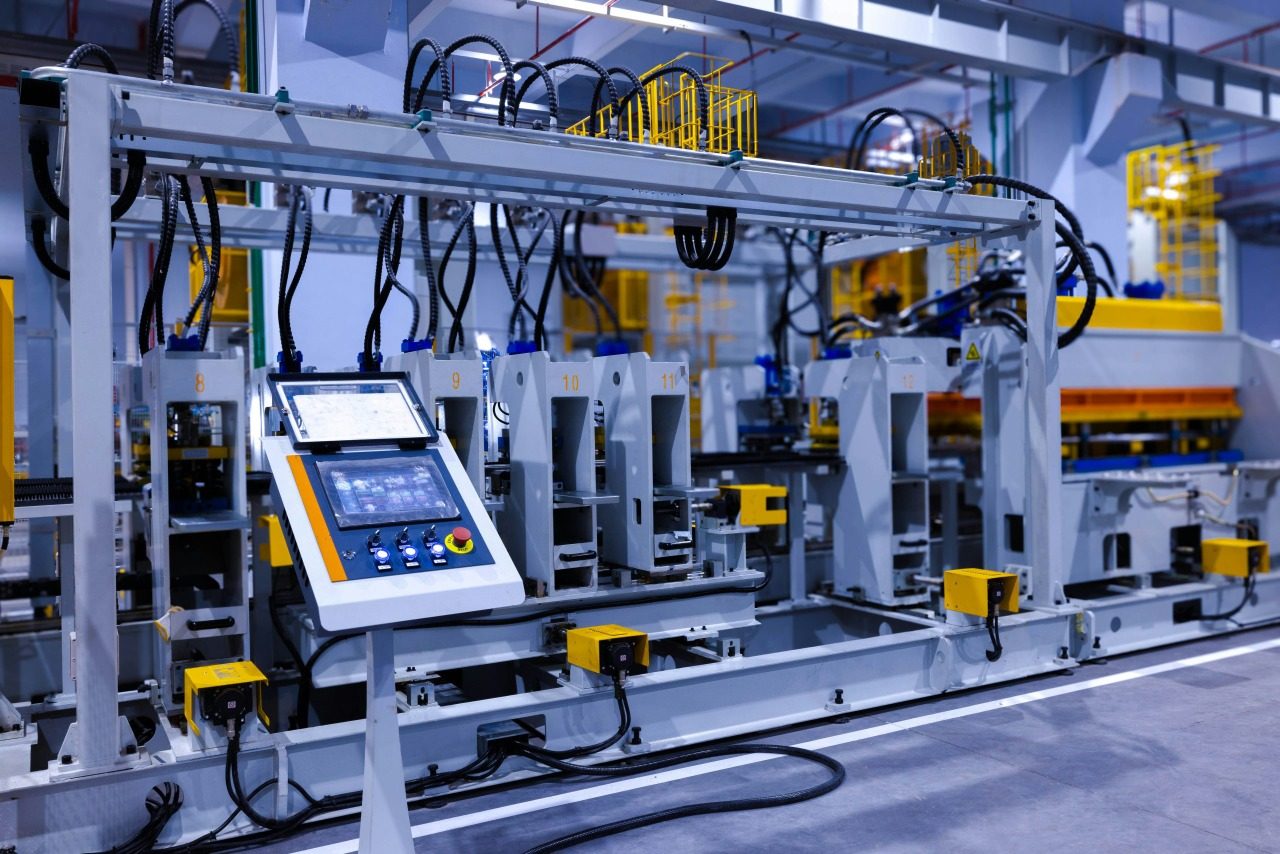
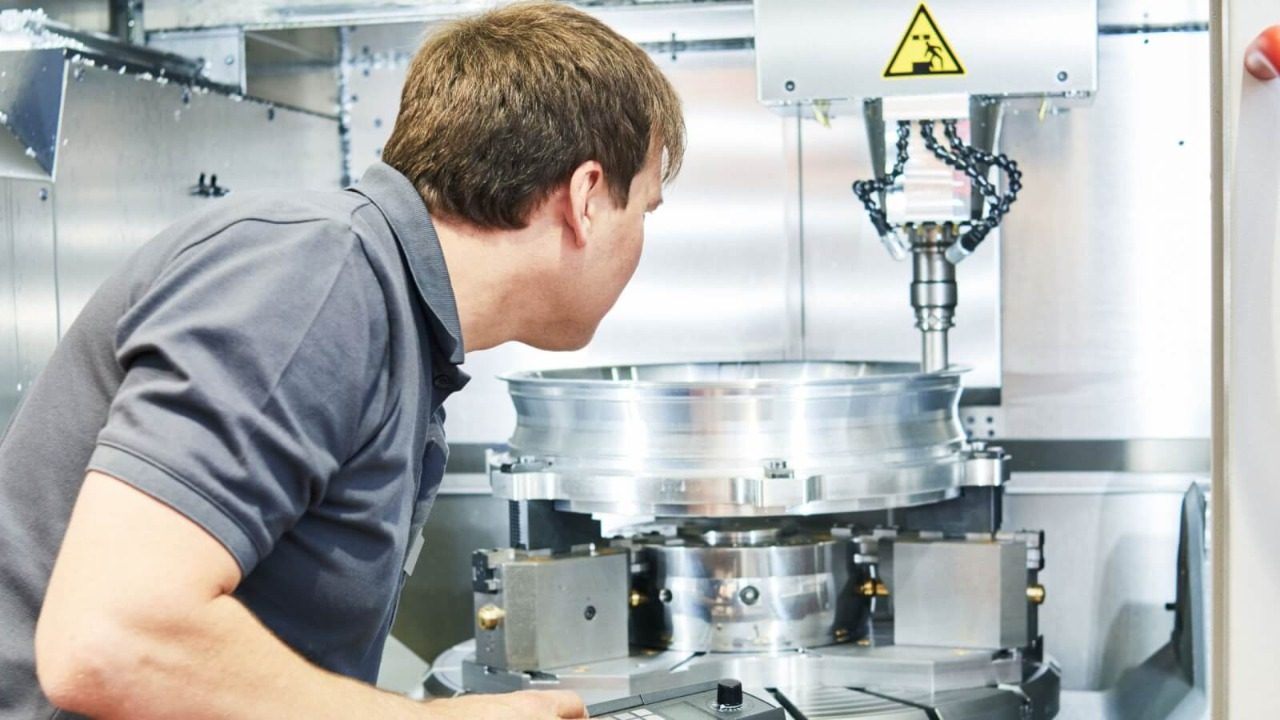
CNC (computer numerical control) machining is a process in which computer-controlled cutting tools remove material from metal stock to produce parts with precise dimensions. Unlike casting or forming, machining is subtractive: it starts with more material than the finished part requires and cuts away the rest.
The CNC machining cost for a given part depends on geometry complexity, material type, required tolerances, and production volume. Aluminum cuts faster than stainless steel; tight tolerances require slower feed rates and more inspection steps; low-volume production runs carry full setup cost per unit rather than spreading it across hundreds of parts.
For recreation infrastructure, most structural components fall into moderate production volumes with standard materials, which keeps unit costs reasonable. But specialty components (custom bracket geometries, ADA-compliant fixture hardware, and non-standard fastener patterns) that often require short runs with correspondingly higher per-unit cost. Understanding these factors is relevant for both initial procurement planning and long-term maintenance budgeting.
Components in Recreation Facilities That Depend on Precision Parts
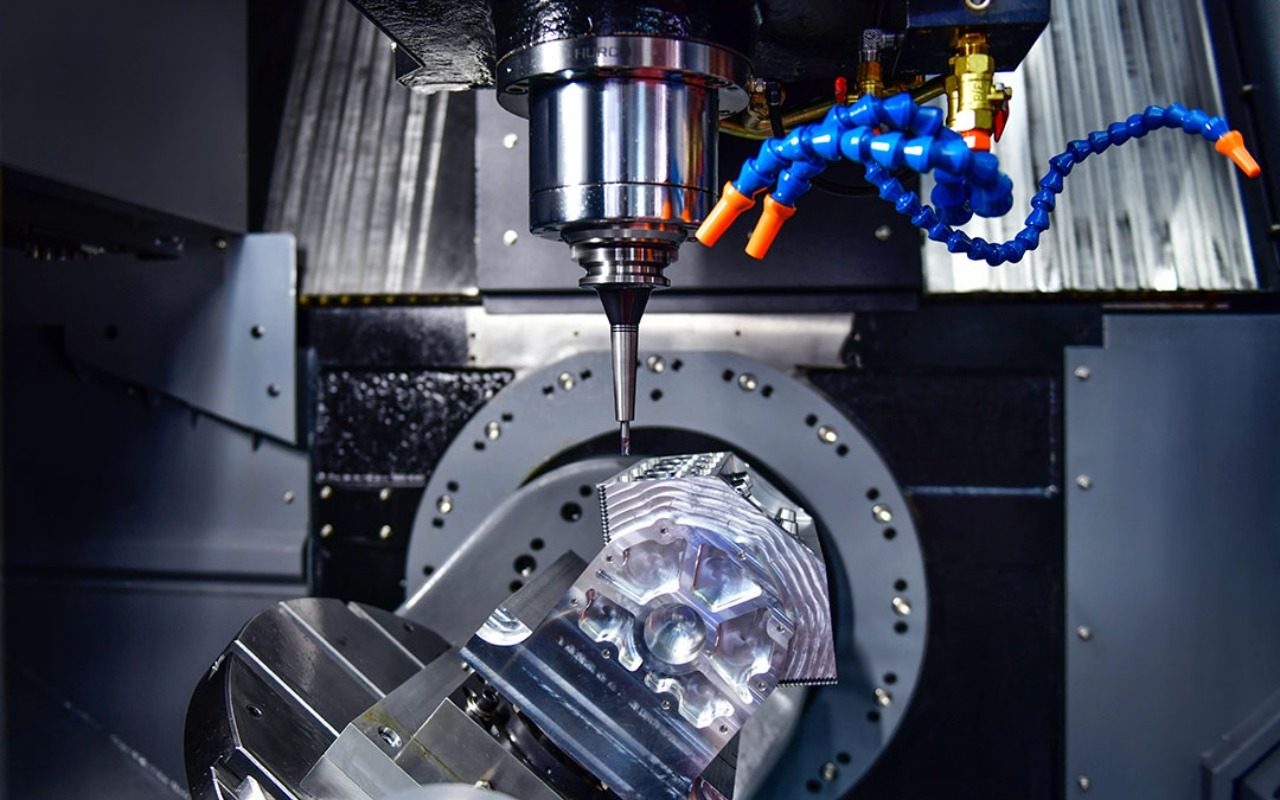
Most park users can’t identify which components were machined versus cast or welded, but the machined parts are typically doing the most mechanical work. Pivot points on fitness equipment, cable anchor assemblies on climbing walls, bearing housings on rotating play elements, and hardware that transfers load from equipment to concrete foundations all require tight tolerances to function reliably over years of outdoor use.
Outdoor fitness equipment has expanded the demand for precision-machined components in public settings. The cables, pulleys, and adjustment mechanisms on outdoor resistance equipment resemble commercial gym hardware, but must withstand UV exposure, temperature cycling, and loading conditions that indoor equipment never encounters. The tolerances that determine whether a pulley runs smoothly after three winters were set during machining.
Replacement hardware is another area where machining quality matters directly. When a park department replaces a single worn component on a 10-year-old structure, the replacement must match the original geometry closely enough to fit without modification. Parts from manufacturers with consistent machining processes are straightforward to replace; parts manufactured to loose tolerances may require field adjustment or secondary machining at the maintenance shop.
Safety Standards That Drive Precision Requirements
Recreation equipment is regulated. The US Consumer Product Safety Commission publishes guidelines defining allowable protrusions, minimum structural requirements, and entrapment hazard dimensions for public playground equipment. State and local park departments may apply additional requirements on top of federal guidance. These standards translate directly into dimensional constraints that manufactured components must meet.
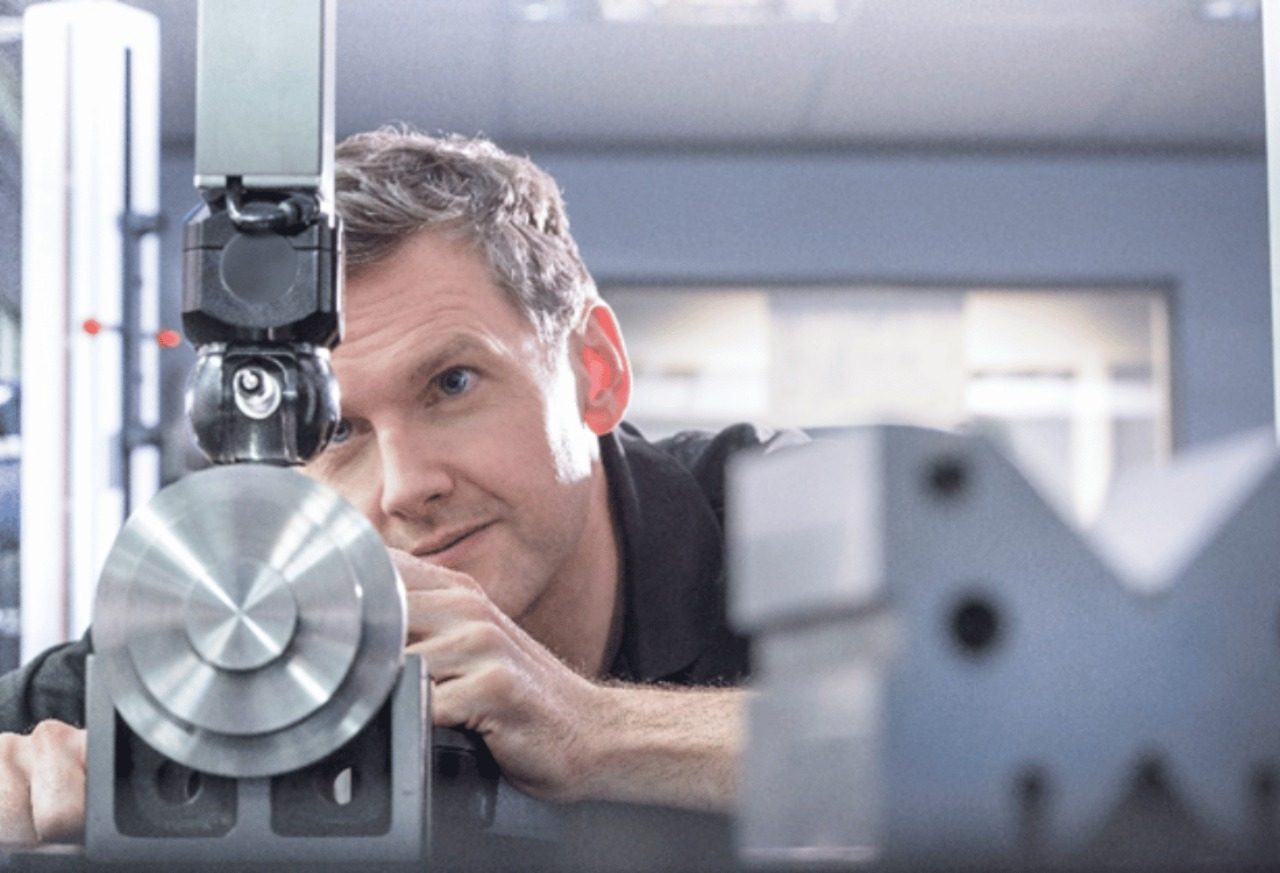
The connection between regulatory requirements and machining tolerance is concrete. A guardrail post attachment that must resist a specified static load test cannot be dimensioned to whatever tolerance is convenient. The fastener pattern, hole size relative to fastener diameter, and edge distance from hole to material edge all derive from load calculations, and those calculations assume the manufactured part matches the design drawing.
Manufacturers who produce recreation infrastructure components through certified processes and maintain inspection documentation can demonstrate compliance when procurement documentation requires it. Those who cannot are a liability regardless of price point.
Maintenance and Replacement Parts in Public Settings
Parks operate with limited budgets and small maintenance crews. The economics of replacement parts have a longer timeline than initial procurement. A park that specifies custom non-standard hardware may save money at installation, but creates long-term problems: when a component fails, the replacement may need to be sourced from a single supplier, fabricated on special order, or adapted from something close but not identical.
According to the National Institute of Standards and Technology, standardized precision manufacturing tolerances exist to allow parts from different manufacturers to be interchangeable — a principle as relevant to recreation equipment as to industrial machinery. Specifying components from manufacturers with documented, standardized tolerances gives public facilities flexibility when it’s time to maintain or expand.
The multi-year view matters here. A component purchased for less upfront that requires a custom replacement order in year 8 at double the cost of a standard part is not actually the cheaper choice. Recreation facility managers and procurement officers are increasingly recognizing this, which has shifted preference toward documented manufacturing quality in park and recreation procurement specifications.
What Facility Developers and Managers Should Consider
Specification language matters in ways that aren’t obvious until maintenance time. A project spec requiring components to meet specific dimensional tolerances and mandating manufacturing documentation differs from one that lists brand names or model numbers without additional quality requirements. The former allows procurement teams to source from multiple vendors while holding quality; the latter creates supplier lock-in that may not serve long-term budget interests.
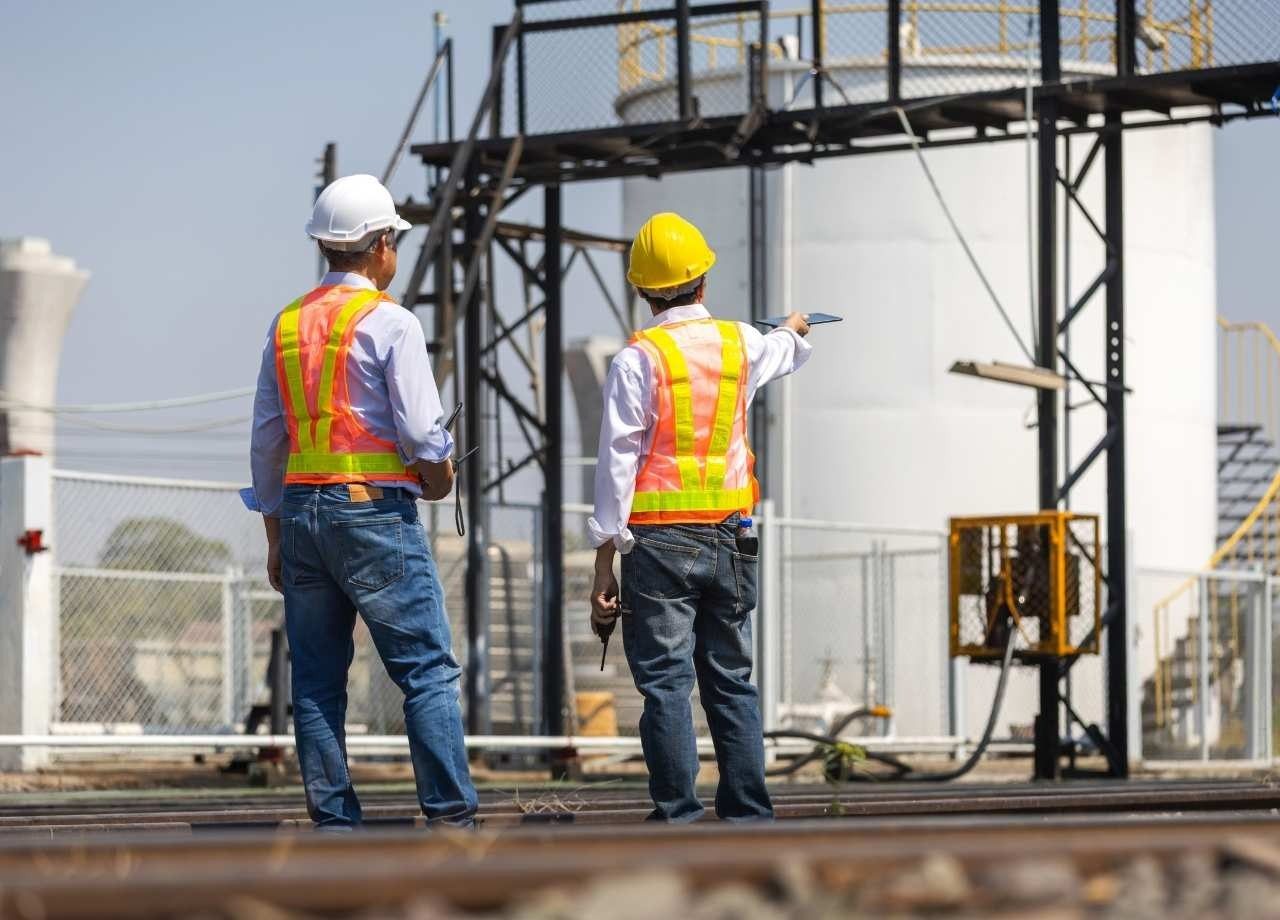
For renovation projects, it’s worth auditing what’s installed before specifying replacements. If original fabrication records exist, replacement components can be specified to match. If records don’t exist, field measurement before ordering prevents the situation of receiving parts that don’t fit the existing installation without modification.
Recreation facilities are long-term infrastructure. The decisions made during specification and procurement affect maintenance costs and user safety for decades. How components were manufactured is not a procurement detail — it’s a design decision with lasting consequences.