
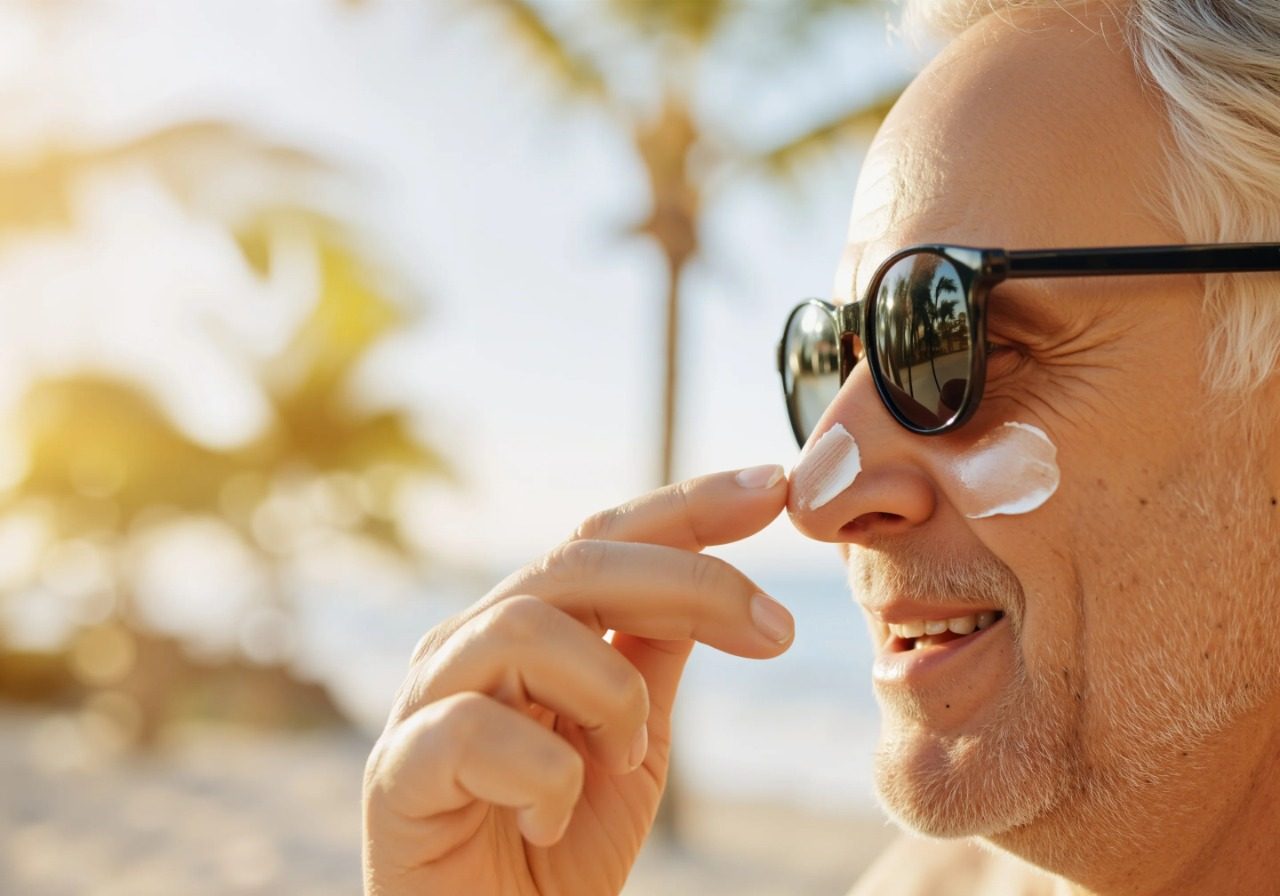
What Your Outdoor Lifestyle Is Doing to Your Skin
San Francisco makes it genuinely easy to live outdoors. Between Golden Gate Park, the Embarcadero waterfront, the Presidio trails, and beaches that catch afternoon light most of the year, the city rewards people who stay active outside. That’s good for cardiovascular health, sleep, and mental clarity. The side effect nobody tracks, though, is cumulative UV…
San Francisco makes it genuinely easy to live outdoors. Between Golden Gate Park, the Embarcadero waterfront, the Presidio trails, and beaches that catch afternoon light most of the year, the city rewards people who stay active outside. That’s good for cardiovascular health, sleep, and mental clarity. The side effect nobody tracks, though, is cumulative UV exposure. If you’ve been spending hours outside each week for years, an insight from Lumine Dermatology & Laser Clinic can show you exactly what that time in the sun has deposited at the cellular level.
Quite a lot turns out to be the answer. UV radiation accelerates collagen breakdown, disrupts melanin distribution, and gradually raises the risk of conditions ranging from photoaging to carcinoma. Most people only learn this in retrospect, after a dermatologist points to something during a routine check. If you’re not sure your skin warrants that kind of attention, a practical guide to when to see a skin specialist is a reasonable starting point.
What UV Radiation Does Below the Surface
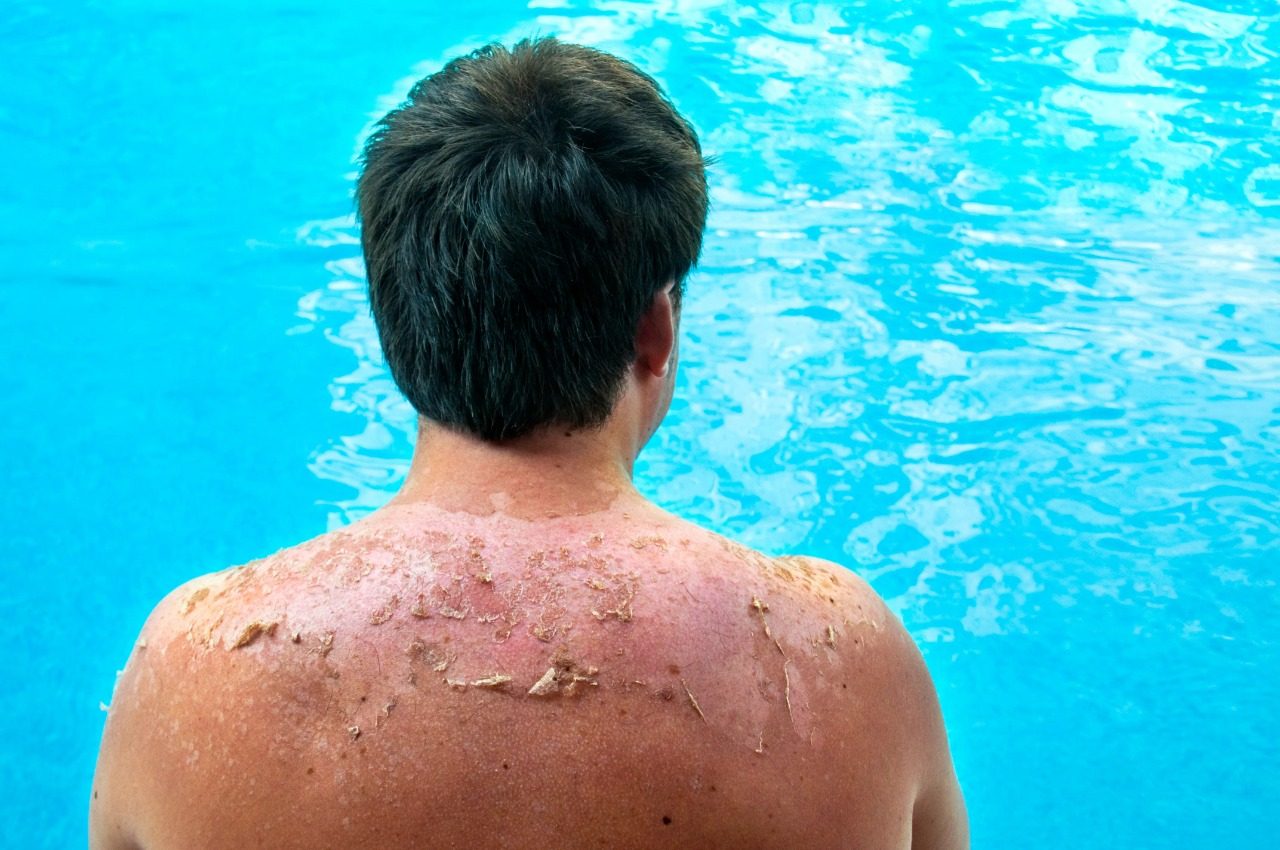
Most people associate UV radiation with sunburn, but sunburn is actually a late signal. The damage that accumulates without pain is more significant. UVA rays (which account for about 95% of UV radiation at ground level) penetrate through the epidermis into the dermis, where they break down collagen and elastin. This is the primary mechanism behind photoaging: fine lines, loose texture, and changes in skin tone that arrive well ahead of what chronological aging alone would produce.
UVB rays don’t reach as deep, but they directly damage DNA in skin cells. Unrepaired mutations in basal and squamous cells are how most skin cancers begin. The CDC notes that unprotected skin can start accumulating UV damage within 15 minutes of sun exposure. For someone spending two hours at Dolores Park on a weekend afternoon, that’s years of compounding exposure adding up without a single dramatic moment to mark the change.
Why San Francisco’s Fog Gives Outdoor People a False Pass

San Francisco’s fog creates a psychologically plausible excuse to skip sunscreen, and it’s wrong. The marine layer reduces visible light but does almost nothing to block UVA radiation, which passes through cloud cover with minimal attenuation. A grey Tuesday in the Outer Sunset delivers nearly the same UVA dose as a clear October afternoon. People who are diligent about protection in summer often drop the habit entirely from November through June, which is exactly when they’re spending more time outside without thinking about it.
Weekend elevation changes add to the picture. UV intensity climbs roughly 4% per 1,000 feet, which means Mount Tamalpais delivers meaningfully more UV than the same time at Ocean Beach, and trips to the Sierra push that further. A study published through the National Institutes of Health found that even educated outdoor recreation participants consistently underuse sun protection during active leisure, suggesting that awareness alone doesn’t close the gap between knowing and doing.
Wind, Salt Air, and Your Skin Barrier

The stratum corneum, the outermost layer of skin, acts as a physical seal made of dead skin cells embedded in a lipid matrix. When that matrix degrades, transepidermal water loss increases and the skin becomes more reactive to external irritants. Persistent wind is one of the faster ways to degrade it, which is why people who live and exercise in coastal environments often deal with different skin problems than their inland counterparts.
San Francisco’s consistent coastal wind means that regular outdoor activity along the waterfront, in the parks, or on a bicycle exposes skin to more mechanical stress than many people account for. Surfers, cyclists, and daily walkers who log hours near Ocean Beach or the bay trail often notice redness and persistent dryness that doesn’t respond to standard moisturizer. That’s usually a skin barrier issue rather than simple dehydration. Bay Area wildfire smoke adds another layer: fine particulate matter has been linked to oxidative stress in deeper skin tissue, independent of UV exposure.
Signs That Usually Mean It’s Time to Get Checked

The hardest thing about skin cancer screening isn’t the exam. It’s getting people to come in before something looks obviously wrong. By the time a lesion appears alarming to a layperson, it has often been developing for years without drawing attention. The dermatological guidance is straightforward in principle: go before there’s a specific concern, not after one appears.
The clearest trigger is change. A mole or spot that has grown, shifted color, developed an irregular border, or appeared somewhere new warrants a professional look. Beyond moles, persistent rough texture in one area, patches of scaling that return after healing, or spots that bleed without obvious trauma are all worth showing a dermatologist. For anyone with significant outdoor sun exposure history (summers at the beach, years of weekend hiking), most clinicians suggest a baseline full-body skin check before 40, even if nothing has appeared.
Building a Skin Protection Routine for an Active Life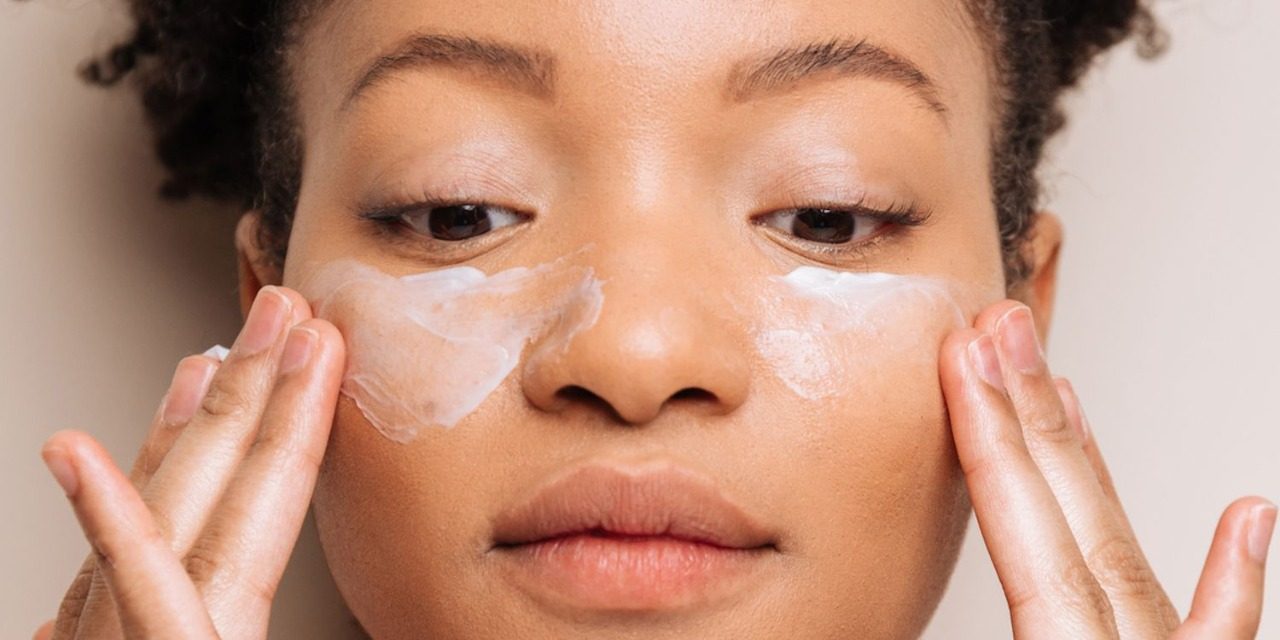
SPF 30 is the recommendation you see most often, and it’s probably not sufficient for someone who runs, bikes, or hikes for several hours on weekends. SPF 30 filters about 97% of UVB under test conditions, but most people apply considerably less product than the tested amount. SPF 50 or higher, applied generously before going out and reapplied after sweating, is a more realistic baseline for an active outdoor routine.
UVA protection is the piece most people overlook. Sunscreens that display only “SPF” without “broad spectrum” are primarily protecting against UVB, which causes sunburn but not the collagen degradation and pigmentation changes that accumulate over decades. Avobenzone, zinc oxide, or titanium dioxide on the ingredient list indicates meaningful UVA coverage. Adjusting outdoor timing to avoid the 10 a.m. to 2 p.m. UV peak, and wearing a wide-brim hat for multi-hour outings, reduces cumulative UV dose in ways that compound over a year.