
How Parks Affect Home Values?
Various factors influence property values in real estate, from location to amenities. Among these, parks play a significant role, subtly shaping the desirability and value of residential areas. Beyond providing green spaces for recreation, parks can have a profound impact on the economic value of surrounding homes. So, if you’re thinking, “Should I sell my…
Various factors influence property values in real estate, from location to amenities. Among these, parks play a significant role, subtly shaping the desirability and value of residential areas. Beyond providing green spaces for recreation, parks can have a profound impact on the economic value of surrounding homes. So, if you’re thinking, “Should I sell my house fast in Spring Hill?” if you have a lot of green spaces and parks near it, read our article. Here, we’ll explore how parks affect home values and why homeowners should consider their proximity to these natural assets when making real estate decisions.
Boosting Curb Appeal
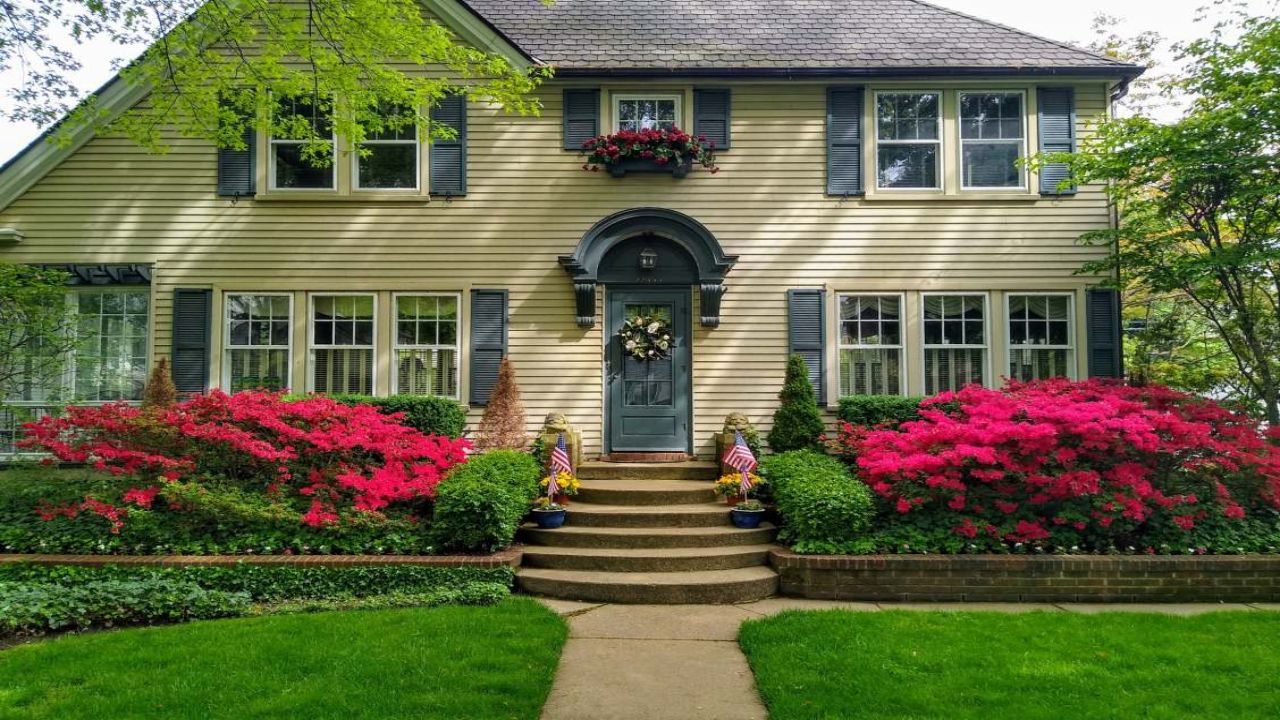
Picture-perfect landscapes and lush greenery are not just aesthetically pleasing but also add to the curb appeal of a neighborhood. Homes near well-maintained parks often command higher prices due to their attractive surroundings. Potential buyers are drawn to areas with trees, walking trails, and open spaces, envisioning a lifestyle that embraces nature and outdoor activities.
Creating a Sense of Community
Parks serve as communal spaces where residents gather for picnics, sports, or simply to enjoy the outdoors. These shared experiences foster a sense of community and belonging among neighbors. The presence of a park encourages social interactions and strengthens the neighborhood fabric. Consequently, properties in such close-knit communities tend to have higher perceived value, reflecting the intangible benefits of living in a friendly and connected environment.
Improving Quality of Life
Beyond monetary considerations, proximity to parks enhances homeowners’ overall quality of life. Research has shown that access to green spaces is associated with better physical and mental well-being. Parks contribute to a healthier lifestyle by reducing stress levels and promoting physical activity. Homebuyers recognize these benefits and are willing to pay a premium for the opportunity to live in an environment that prioritizes well-being.
Mitigating Urban Heat Islands
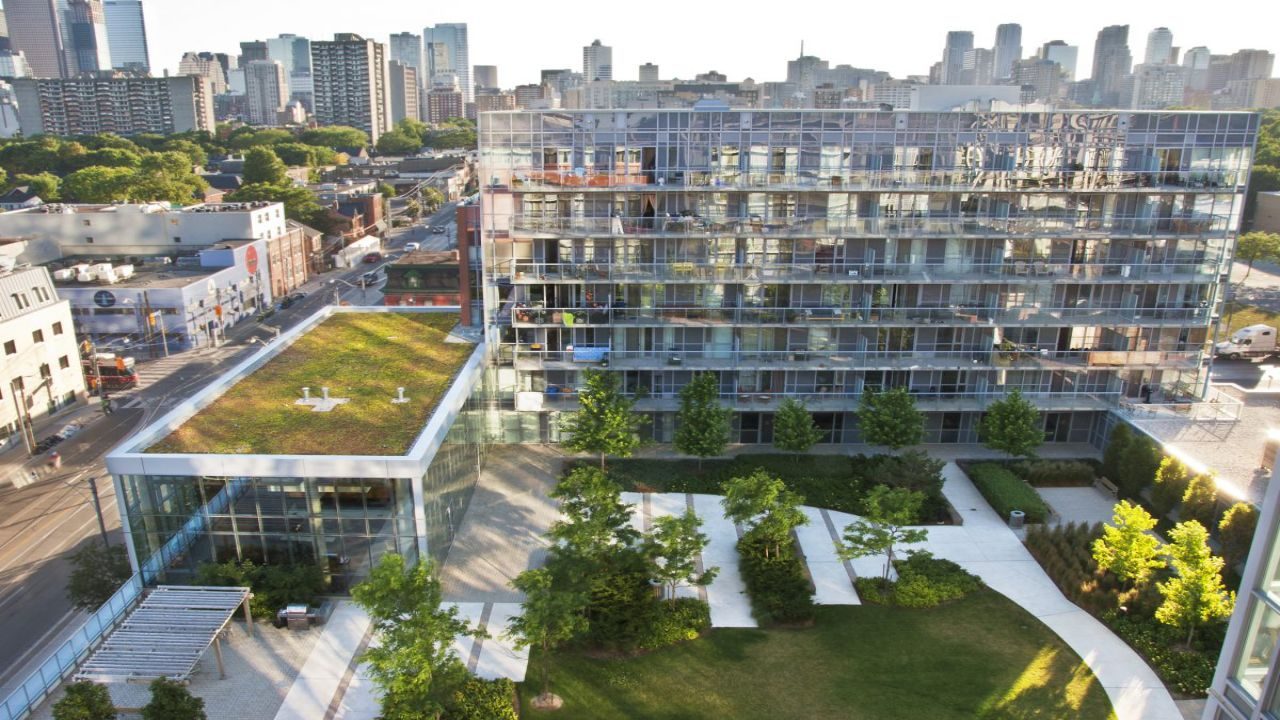
In urban areas where concrete and asphalt dominate the landscape, parks serve as vital green lungs, mitigating the heat island effect. Trees provide shade, lower temperatures, and improve air quality, creating a more comfortable and sustainable living environment. Homes located near parks benefit from these environmental advantages, offering residents a reprieve from the sweltering heat of summer and contributing to energy savings through natural cooling.
Stabilizing Property Values
While property values can fluctuate due to various factors, parks offer a stable anchor for neighborhoods. They provide a buffer against economic downturns, as the intrinsic value of green spaces remains unchanged even during market fluctuations. Homes adjacent to parks tend to retain their value better over time, offering homeowners a sense of security and long-term investment potential.
https://www.youtube.com/watch?v=rpXTjbOIDA0&ab_channel=CountyOffice
In conclusion, parks play a multifaceted role in shaping the value and desirability of residential properties. Homebuyers increasingly recognize the importance of green spaces and are willing to invest in neighborhoods that offer proximity to parks. As such, real estate developers and urban planners should prioritize the integration of parks into residential areas to create vibrant and sustainable communities that benefit both residents and property values alike.